


How Lab-Grown Diamonds Are Transforming the Jewelry Industry.
The diamond industry, long associated with tradition, rarity, and natural formation over billions of years, is undergoing a remarkable transformation. Lab-grown diamonds—also known as engineered or cultured diamonds—are reshaping how consumers perceive luxury, sustainability, and value. Once considered a niche alternative, these diamonds are now at the forefront of a global shift in the jewelry market.
What Are Lab-Grown Diamonds ?
Lab-grown diamonds are real diamonds created in controlled laboratory environments using advanced technological processes that replicate the natural conditions under which diamonds form in the Earth. The two primary methods—High Pressure High Temperature (HPHT) and Chemical Vapor Deposition (CVD)—produce diamonds that are chemically, physically, and optically identical to mined diamonds.
Unlike simulants such as cubic zirconia or moissanite, lab-grown diamonds are not imitations. They possess the same brilliance, hardness, and durability as natural diamonds, making them indistinguishable even to trained gemologists without specialized equipment.
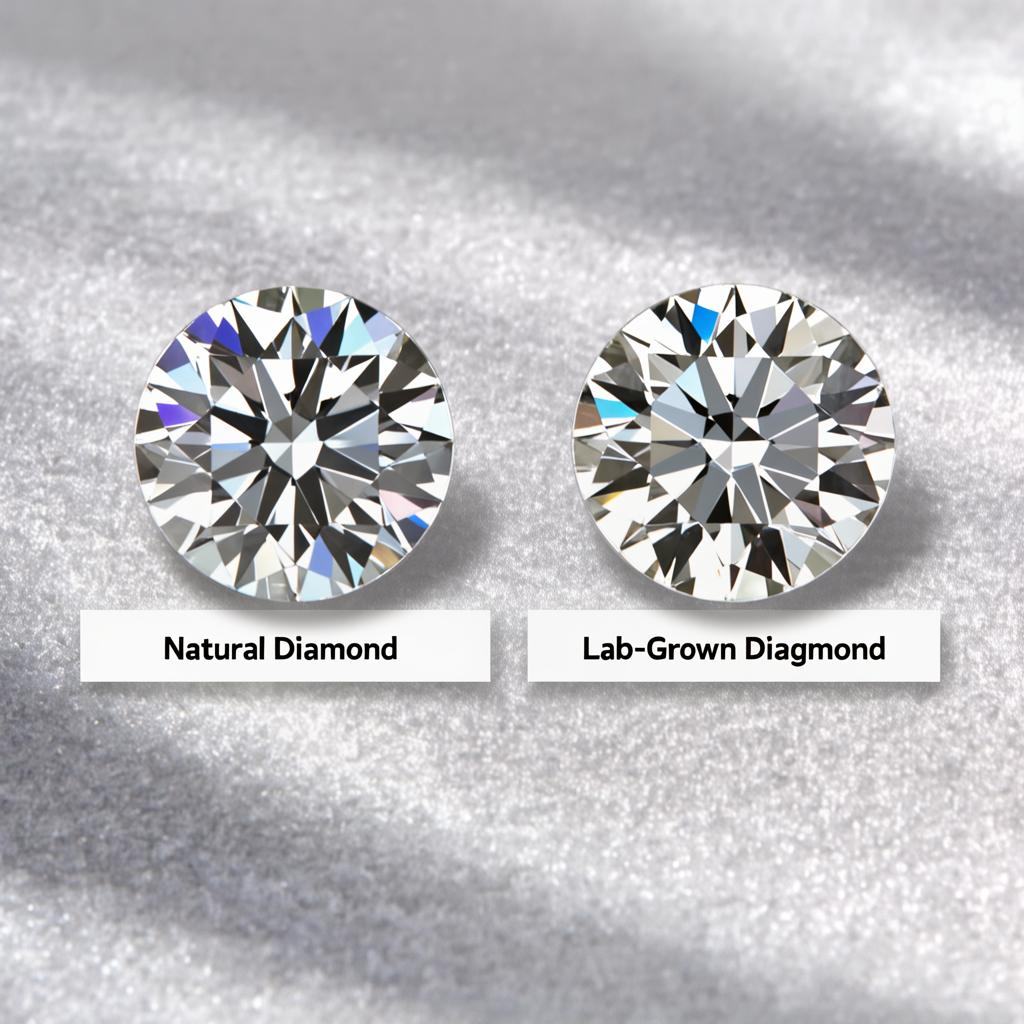
Unlike simulants such as cubic zirconia or moissanite, lab-grown diamonds are not imitations. They possess the same brilliance, hardness, and durability as natural diamonds, making them indistinguishable even to trained gemologists without specialized equipment.
Affordability Without Compromise jewelry
One of the most significant ways lab-grown diamonds are transforming the industry is through pricing. Typically priced 30–50% lower than natural diamonds of similar size and quality, lab-grown diamonds offer consumers the opportunity to purchase larger or higher-quality stones within the same budget.
This shift is particularly appealing to younger buyers, who prioritize value and transparency. With rising living costs and evolving spending habits, many consumers are opting for lab-grown diamonds as a smarter financial choice without sacrificing beauty or prestige.

Sustainability and Ethical Appeal
Environmental and ethical concerns have long surrounded traditional diamond mining. Issues such as land degradation, water usage, and carbon emissions have led consumers to question the sustainability of mined diamonds. Additionally, the history of conflict diamonds has raised serious ethical considerations.
Lab-grown diamonds address many of these concerns. Their production generally requires fewer natural resources and has a smaller environmental footprint. Moreover, they offer a transparent and conflict-free supply chain, which resonates strongly with environmentally conscious and socially aware consumers.
As sustainability becomes a key purchasing factor, lab-grown diamonds are emerging as a preferred choice for those seeking responsible luxury.
Changing Consumer Preferences
The rise of lab-grown diamonds reflects a broader shift in consumer mindset. Today’s buyers, especially Millennials and Gen Z, value authenticity, innovation, and ethical sourcing more than traditional notions of rarity. They are less influenced by legacy marketing and more interested in products that align with their values.
Lab-grown diamonds also allow for greater customization and experimentation in jewelry design. With lower costs and scalable production, jewelers can offer a wider range of styles, sizes, and settings, encouraging creativity and personalization.
Impact on the Traditional Diamond Market
The growing popularity of lab-grown diamonds is challenging the traditional diamond industry. Established players are adapting by diversifying their offerings, investing in lab-grown technology, or emphasizing the unique story and rarity of natural diamonds.
While natural diamonds continue to hold emotional and historical significance, especially in luxury and investment segments, the market is becoming more segmented. Consumers now have a clear choice between natural and lab-grown diamonds, each with its own value proposition.
The Future of Diamonds
Lab-grown diamonds are not just a trend—they represent a fundamental shift in the jewelry industry. As technology advances and production becomes more efficient, their quality will continue to improve while prices may become even more accessible.
Looking ahead, the coexistence of natural and lab-grown diamonds is likely to define the future of the market. Rather than replacing mined diamonds entirely, lab-grown stones are expanding the industry, making diamonds more inclusive and adaptable to modern values.
CONCLUSION
Lab-grown diamonds are more than just an alternative—they represent a powerful evolution in the jewelry industry. By offering the same brilliance and durability as natural diamonds at a more accessible price point, they are redefining luxury for a new generation of consumers. Their ethical sourcing and reduced environmental impact further strengthen their appeal in a world increasingly driven by conscious choices.
As technology continues to advance and awareness grows, lab-grown diamonds are set to become an integral part of the market. Rather than replacing natural diamonds, they are expanding the industry by giving consumers greater choice, transparency, and value. Ultimately, they are not just transforming how diamonds are made, but also how they are perceived, purchased, and cherished.