


Setting Up a Jewelry Industry with Lab-Grown Diamonds: A Complete Guide
The global jewellery industry is undergoing a major transformation, with lab-grown diamonds emerging as a disruptive and lucrative segment. These diamonds, created using advanced technologies like Chemical Vapour Deposition (CVD) and High Pressure High Temperature (HPHT), are chemically and physically identical to natural diamonds but significantly more affordable and sustainable. This makes them an attractive opportunity for entrepreneurs looking to enter the jewelry business.
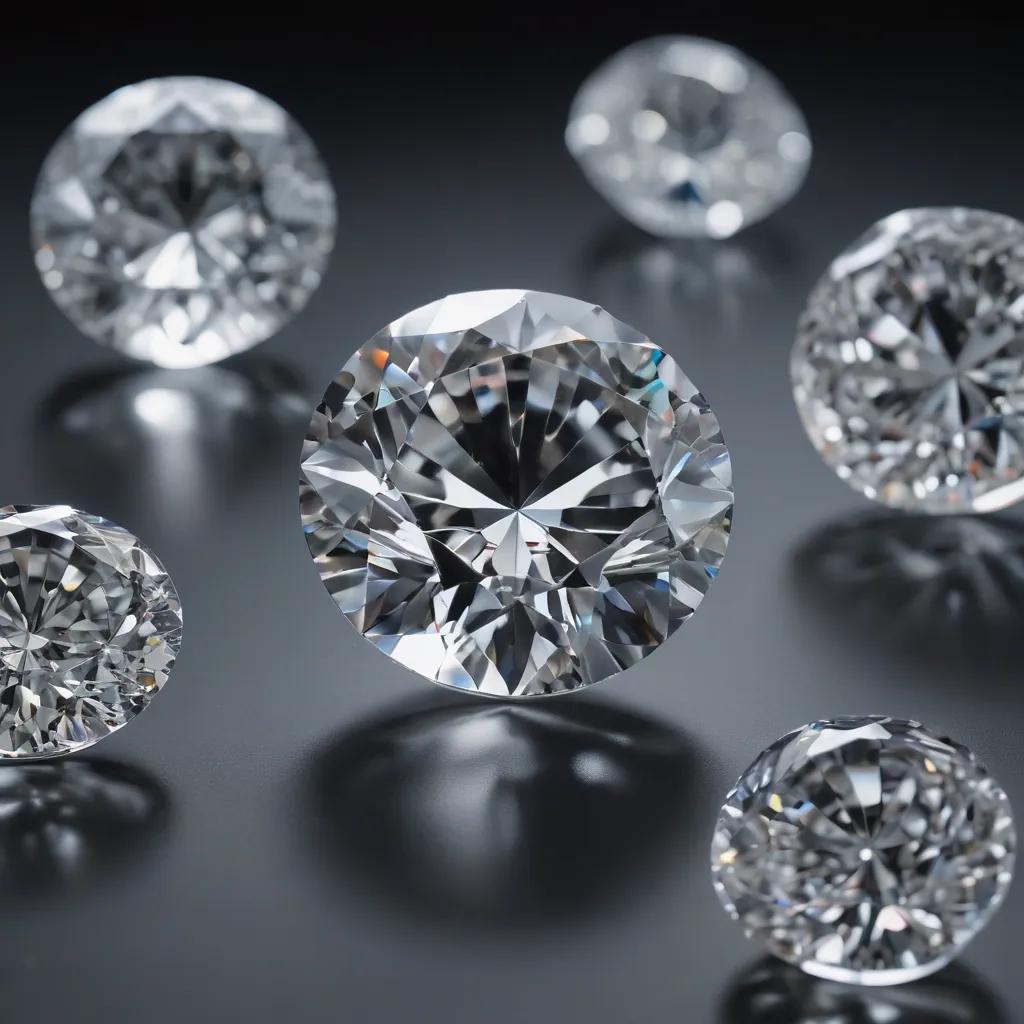
Lab-grown diamonds have gained rapid popularity due to their affordability and ethical sourcing. In India, a 1-carat lab-grown diamond can cost between ₹25,000 and ₹45,000, compared to ₹1.8–3 lakh for a natural diamond of similar quality. This price gap—often 60–80% cheaper—has expanded the customer base, especially among younger buyers seeking value and sustainability.
India, particularly Surat, has become a global hub for lab-grown diamond production, offering strong supply chain advantages and lower manufacturing costs.
Business Models to Consider
When setting up a lab-grown diamond jewellery business, you can choose from several models:
- Manufacturing Unit – Producing diamonds using CVD or HPHT technology. This requires significant investment in reactors, skilled labour, and energy infrastructure.
- Jewellery Manufacturing – Sourcing lab-grown diamonds and designing jewellery such as rings, earrings, and necklaces.
- Retail or E-commerce – Selling finished jewellery directly to consumers via physical stores or online platforms.
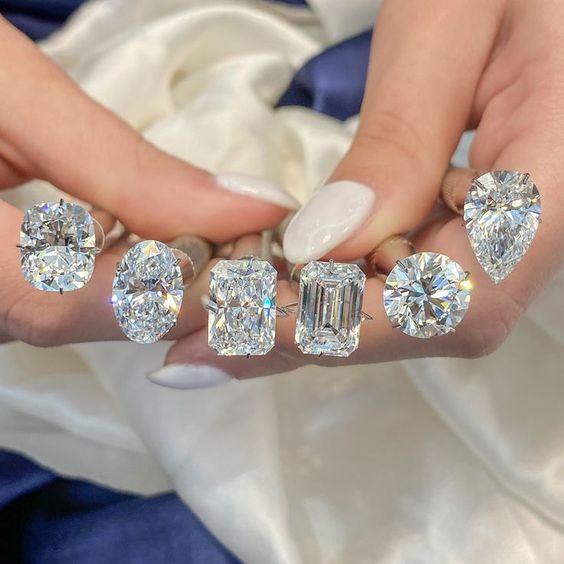
Most startups begin with jewellery manufacturing or retail due to lower capital requirements.Lab-Grown Jewelrys
Infrastructure and Setup Requirements
Setting up a lab-grown diamond facility involves high-tech equipment and controlled environments. Key requirements include:
- Diamond-growing reactors (CVD/HPHT machines)
- Cleanroom or controlled lab setup
- Cutting and polishing tools
- Skilled technicians and gemologists
- Certification partnerships (IGI or IGC)
The investment can range from ₹30 lakh to several crores depending on scale, especially for manufacturing units. For smaller jewelry businesses, costs are significantly lower.
Product Development and Design
Jewellery design plays a critical role in success. Popular categories include:
- Engagement rings
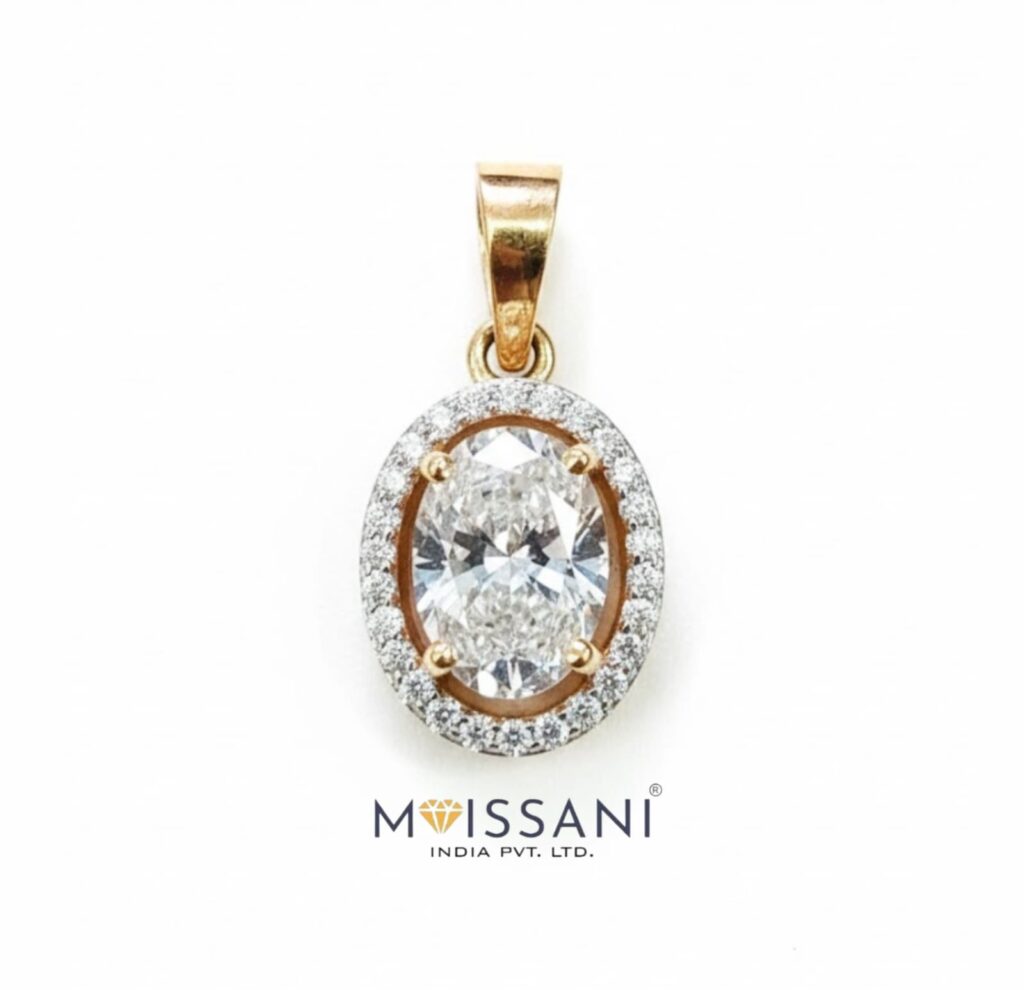
- Diamond studs and pendants
- Tennis bracelets
- Customised jewellery
Pricing depends on the 4Cs—Cut, Colour, Clarity, and Carat, which determine the diamond’s quality and value. A balance between affordability and aesthetics is key to attracting customers.
Certification and Quality Assurance
Certification is crucial in building trust. Lab-grown diamonds must be certified by recognized institutions such as IGI or GIA. Certification ensures transparency in quality grading and helps differentiate genuine products from low-quality alternatives.
Marketing and Branding Strategy
Modern consumers value sustainability, transparency, and design. Marketing strategies should focus on:
- Ethical sourcing and eco-friendly benefits
- Price advantage over natural diamonds
- Customization options
- Digital-first marketing (social media, influencers, e-commerce)
Lab-grown diamonds are particularly popular among Gen Z consumers, who prioritize affordability and sustainability in their purchases
Challenges in the Industry
Despite strong growth, there are challenges:
- Falling prices due to increased production
- Lower resale value compared to natural diamonds
- Consumer awareness gaps
- High competition in pricing
However, these challenges can be mitigated through strong branding, quality assurance, and innovative designs.
Building a Lab-Grown Diamond Brand: The Story of “Moissani”
In today’s fast-evolving jewellery market, success is no longer just about selling diamonds—it’s about building a brand that resonates with modern values. “Moissani” can position itself as a forward-thinking, design-led lab-grown diamond jewellery brand that blends luxury, sustainability, and accessibility.
The Vision Behind Moissani
Moissani should stand for more than just jewellery—it should represent a lifestyle choice. Inspired by the brilliance of stones like moissanite and lab-grown diamonds, the brand can focus on delivering high-quality, ethically created pieces for a new generation of buyers. The core philosophy could revolve around three pillars: sustainability, affordability, and contemporary elegance.
Unlike traditional players such as Tanishq or global giants like De Beers, Moissani has the advantage of being a digital-first, agile brand that speaks directly to Gen Z and millennial consumers.
Brand Positioning and Identity
Moissani can carve a niche by positioning itself as a premium yet accessible luxury brand. The focus should be on minimal, modern, and customizable designs—appealing to urban professionals and young couples.
Key identity elements:
- Tagline: “Brilliance, Reimagined”
- Design language: Sleek, minimal, and versatile
- Color palette: Whites, silvers, and soft pastels to reflect diamond purity
- Customer promise: Ethical luxury without compromise
The name “Moissani” itself evokes elegance and rarity, making it memorable and distinctive in a crowded market.
Sourcing and Production
Moissani can adopt a hybrid approach:
- Source lab-grown diamonds from hubs like Surat
- Partner with skilled jewellery manufacturers for crafting
- Maintain strict quality checks and certification standards (IGI-certified diamonds)
Instead of investing heavily in diamond-growing technology initially, the brand can focus on design, branding, and customer experience—areas where differentiation is stronger.
Digital-First Business Model
Moissani should prioritize e-commerce as its primary sales channel. A strong online presence allows:
- Lower operational costs
- Wider geographic reach
- Direct-to-consumer pricing advantage
Platforms like Instagram and Pinterest can be powerful tools for showcasing designs and building aspiration.
A well-designed website with virtual try-ons, customization tools, and transparent pricing will enhance customer confidence.
Ring’s
Conclusion
Setting up a lab-grown diamond jewellery business offers immense potential in today’s evolving luxury market. With lower entry barriers compared to traditional diamond mining, growing consumer demand, and strong margins in jewellery design and retail, entrepreneurs can build a scalable and profitable venture. Success lies in combining technology, craftsmanship, and smart branding to create products that resonate with modern consumers.